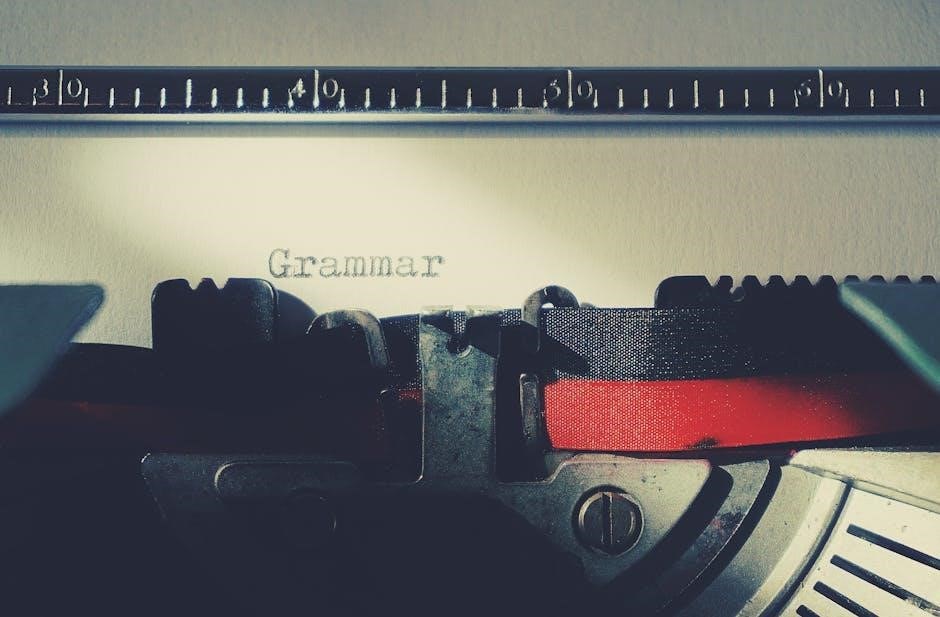
Embarking on a journey to refine your writing skills begins with a solid grasp of grammar; this essential guide unlocks accurate and impactful communication․
Understanding the nuances of language empowers you to express ideas clearly, avoiding misunderstandings and enhancing credibility․
Whether crafting professional documents or personal correspondence, mastering grammar is a cornerstone of effective expression, as highlighted by numerous online resources․
Why Accurate Grammar Matters
Accurate grammar transcends mere rule-following; it’s the bedrock of clear, effective communication, profoundly impacting how your message is received and interpreted․ Errors can introduce ambiguity, leading to misinterpretations and undermining your credibility․ Think of grammar as the scaffolding supporting your ideas – a weak structure risks collapse․
In professional settings, impeccable grammar signals attention to detail, intelligence, and respect for your audience․ It’s often the difference between being taken seriously and being dismissed․ Consider the impact on reports, emails, or presentations; precision matters․
Beyond professional life, strong grammar enhances personal interactions, fostering trust and understanding․ Resources like grammar․com emphasize the importance of clarity in all forms of writing․ Ultimately, mastering grammar isn’t about adhering to arbitrary rules, but about empowering yourself to communicate with confidence and precision, ensuring your voice is heard as intended․
The Impact of Grammar on Communication

Grammar’s influence on communication is pervasive, shaping perceptions and dictating comprehension․ Flawless grammar builds trust and authority, while errors can create doubt and detract from your message’s strength․ It’s not simply about correctness; it’s about respect for your audience and the power of your words․
Poor grammar can lead to misunderstandings, hindering effective collaboration and potentially causing conflict․ Ambiguous phrasing or incorrect punctuation can completely alter the intended meaning, especially in critical contexts․ Online tools and guides, like those found on STANDS4 Network, highlight this risk․
Conversely, skillful grammar enhances clarity, allowing your ideas to resonate with impact․ It demonstrates thoughtfulness and professionalism, leaving a lasting positive impression․ Investing in grammar improvement is, therefore, an investment in your ability to connect, persuade, and achieve your communication goals․

Fundamental Grammar Rules
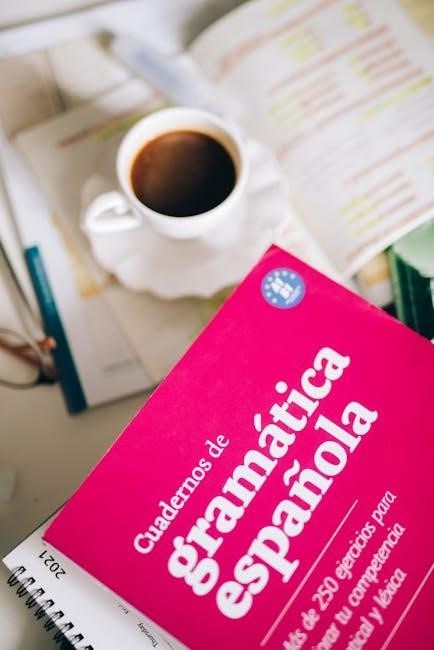
Mastering core principles—subject-verb agreement, pronoun usage, and correct tense application—forms the bedrock of clear writing, ensuring precision and readability․
Subject-Verb Agreement

Subject-verb agreement is a fundamental grammar rule dictating that a verb must align in number (singular or plural) with its subject․ A singular subject necessitates a singular verb, while a plural subject demands a plural verb․ For instance, “The cat sits” (singular) versus “The cats sit” (plural)․
Common errors arise with collective nouns (team, family) and indefinite pronouns (everyone, someone)․ These can be singular or plural depending on context․ “The team is playing well” (acting as a unit), but “The team are arguing” (individuals within the team)․
Intervening phrases between the subject and verb shouldn’t influence the verb’s form․ For example, “The book, filled with illustrations, is fascinating․” Pay close attention to compound subjects joined by “and” (usually plural) or “or/nor” (agreement with the closer subject)․ Consistent application of this rule dramatically improves clarity․
Pronoun Usage and Agreement
Pronouns replace nouns, and their correct usage is crucial for clear communication․ Pronoun agreement means a pronoun must match its antecedent (the noun it refers to) in number, gender, and person․ For example, “The student completed their assignment” is increasingly accepted, though traditionally “his or her” was used for singular antecedents of unknown gender;
Ambiguous pronoun references create confusion․ Avoid sentences where it’s unclear which noun a pronoun represents․ Instead of “John told Mark that he was wrong,” clarify with “John told Mark, ‘You are wrong․’”
Pronoun case (subjective, objective, possessive) also matters․ “I” vs․ “me,” “he” vs․ “him,” and “she” vs․ “her” must be used correctly based on their function in the sentence․ Mastering these nuances enhances precision and readability․
Correct Tense Usage
Verb tenses indicate when an action takes place, and consistent, accurate tense usage is vital for clarity․ Shifting tenses unnecessarily can confuse readers․ Generally, maintain the same tense within a sentence or paragraph unless a change in time is intended․
Understanding the relationship between tenses is key․ For example, the past perfect tense (“had eaten”) describes an action completed before another action in the past (“ate”)․ Incorrect tense can alter the meaning significantly;
Pay attention to time markers – words like “yesterday,” “tomorrow,” or “now” – to guide your tense selection․ Resources emphasize that consistent practice and awareness are essential for mastering this aspect of grammar, leading to more polished writing․
Present Tense Variations
The present tense describes current actions, habits, or general truths․ However, it’s not always as simple as adding “-s” to the verb․ The simple present (“I walk”) expresses routine․ The present continuous (“I am walking”) denotes an action happening now or around this time․
Stative verbs, describing states of being (like “believe” or “know”), are generally not used in continuous tenses․ Instead, use the simple present (“I believe”)․ Understanding these nuances is crucial for natural-sounding writing․
The present perfect (“I have walked”) connects a past action to the present, emphasizing the result․ Mastering these variations, as highlighted by grammar guides, elevates writing clarity and precision, avoiding ambiguity․
Past Tense Variations
The past tense recounts completed actions․ Regular verbs form the past tense by adding “-ed” (“I walked”), while irregular verbs have unique forms (“I went”)․ The past continuous (“I was walking”) describes an ongoing action interrupted by another event․
The past perfect (“I had walked”) indicates an action completed before another past action, establishing a clear sequence of events․ It’s vital to choose the correct past tense to accurately convey timing and relationships between actions․
Careful consideration of these variations, as emphasized in grammar tutorials, ensures your narrative flows logically and avoids confusion․ Mastering these forms is essential for clear storytelling and precise historical accounts․
Future Tense Variations
The future tense expresses actions yet to occur․ “Will” + base verb (“I will walk”) is a common form, indicating a simple future action․ “Going to” + base verb (“I am going to walk”) suggests a planned intention or prediction based on present evidence․
The future continuous (“I will be walking”) describes an action that will be in progress at a specific time in the future․ The future perfect (“I will have walked”) indicates an action completed before a specific future time․
Selecting the appropriate future tense, as detailed in grammar guides, is crucial for conveying precise meaning and intention․ Understanding these nuances enhances clarity and avoids ambiguity in your writing, ensuring effective communication of future events․
Understanding Articles (A, An, The)
Articles – ‘a,’ ‘an,’ and ‘the’ – are essential for clarity, yet often misused․ ‘A’ and ‘an’ are indefinite articles, used before singular, countable nouns when the noun is non-specific (“a cat,” “an apple”)․ ‘An’ precedes vowel sounds․
‘The’ is the definite article, specifying a particular noun already known to the reader or previously mentioned (“the cat,” “the apple”)․ Correct article usage depends on whether the noun is specific or general․
Mastering this distinction, as emphasized in grammar resources, prevents confusion and improves sentence flow․ Incorrect article use can alter meaning significantly, impacting the overall effectiveness of your writing․ Careful consideration of context is key․
Mastering Commas
Commas are arguably the most versatile punctuation mark, yet frequently misused․ They signal pauses, separate items in lists, and introduce clauses․ Correct comma placement dramatically improves readability and prevents misinterpretations․
Essential comma rules include separating independent clauses joined by coordinating conjunctions (and, but, or, nor, for, so, yet), setting off introductory phrases, and enclosing nonessential information․ Overusing or omitting commas can disrupt sentence flow․
Online grammar checkers and style guides offer valuable assistance in mastering comma usage․ Consistent practice and attention to detail are crucial for achieving accuracy, enhancing clarity, and refining your writing style․
Semicolons and Colons: Proper Application
Semicolons and colons, often confused, serve distinct purposes in constructing clear and sophisticated sentences․ A semicolon connects closely related independent clauses, offering a stronger link than a comma but less separation than a period․
Colons, conversely, introduce explanations, lists, or quotations․ They signal that what follows clarifies or expands upon what precedes it․ Proper usage requires a complete independent clause before the colon․
Mastering these punctuation marks elevates writing precision․ Resources like grammar guides and online tools provide detailed explanations and examples․ Consistent application enhances readability and demonstrates a command of nuanced grammatical structures, improving overall communication effectiveness․

Common Grammar Mistakes to Avoid
Recognizing frequent errors is crucial for improvement; avoid misplaced modifiers, dangling participles, and common confusions like “its” versus “it’s” for polished writing․
Misplaced Modifiers
Misplaced modifiers are phrases or clauses that are incorrectly positioned in a sentence, causing them to modify the wrong word or phrase․ This leads to confusion and unintended humor, undermining the clarity of your writing․ For example, consider the sentence: “Covered in chocolate, I ate the strawberries;” This implies you were covered in chocolate, not the strawberries!
To correct this, place the modifier as close as possible to the word it intends to describe: “I ate the strawberries covered in chocolate․” The key is ensuring the modifying phrase directly relates to its intended subject․ Carefully review your sentences, asking yourself what the modifier logically describes․
Often, simply rearranging the sentence structure can resolve the issue․ Pay attention to introductory phrases and clauses, as these are common locations for misplaced modifiers․ A clear and concise sentence structure is your best defense against this common grammatical error, enhancing readability and precision․
Dangling Participles
Dangling participles occur when a participial phrase doesn’t clearly modify any word in the sentence, leaving the reader wondering who or what is performing the action․ These phrases typically begin with words ending in “-ing” or “-ed․” A classic example is: “Having finished the assignment, the TV was turned on․” This suggests the TV finished the assignment!
To fix a dangling participle, you must either add the missing subject or rewrite the sentence to clearly connect the phrase to its intended subject․ A corrected version would be: “Having finished the assignment, I turned on the TV․”
Identifying these errors requires careful scrutiny of your sentence structure․ Ensure the subject performing the action described by the participial phrase is explicitly stated and logically connected․ Rewriting the sentence in a more direct manner often resolves the issue, promoting clarity and grammatical correctness․
Confusing “Its” and “It’s”
The misuse of “its” and “it’s” is a remarkably common grammatical error․ “Its” is a possessive pronoun, indicating ownership – for example, “The dog wagged its tail․” Think of it like “his” or “hers”; it doesn’t require an apostrophe to show possession․
“It’s,” on the other hand, is a contraction of “it is” or “it has․” The apostrophe signifies the missing letters․ For instance, “It’s raining outside” means “It is raining outside․” Always test if you can replace “it’s” with “it is” or “it has” – if you can, the apostrophe is correct․
To avoid confusion, remember this simple rule: possession gets “its,” while contractions get “it’s․” Careful proofreading and a conscious awareness of this distinction will significantly improve your writing’s accuracy and professionalism․
“There,” “Their,” and “They’re” – Knowing the Difference
Distinguishing between “there,” “their,” and “they’re” is a frequent stumbling block for writers․ “There” indicates a place – “The book is over there” – or is used as an expletive construction, like in “There are many reasons to learn grammar․”
“Their” is a possessive pronoun, showing ownership by a group․ For example, “They went to their house․” It signifies something belonging to ‘them’․ Remember it relates to possession, similar to ‘its’ and ‘his’․
Finally, “they’re” is a contraction of “they are․” If you can substitute “they are” into your sentence, then “they’re” is the correct choice․ Careful attention to context and a quick mental check will prevent these common errors, enhancing clarity and precision in your writing․

Tools and Resources for Grammar Improvement
Leverage online grammar checkers, style guides, and educational websites; these resources offer invaluable support for refining your writing and boosting accuracy;
Online Grammar Checkers
Online grammar checkers have become indispensable tools for writers of all levels, offering instant feedback on spelling, punctuation, and grammatical errors․ These digital assistants go beyond basic spellcheck, identifying misused words, awkward phrasing, and potential style issues․
Popular options like Grammarly and ProWritingAid provide comprehensive analyses, suggesting improvements to clarity and conciseness․ Many checkers integrate seamlessly with word processors and web browsers, offering real-time assistance as you type․
However, it’s crucial to remember that these tools aren’t foolproof; they may occasionally miss subtle errors or offer suggestions that don’t align with your intended meaning․
Always review the suggestions critically, using your own judgment to ensure the changes enhance your writing․ Think of them as helpful guides, not replacements for a thorough understanding of grammar rules and careful proofreading․
Utilizing these tools alongside other resources will significantly improve your writing quality․
Grammar and Style Guides
Grammar and style guides serve as authoritative references for writers seeking clarity and consistency in their work․ These resources provide detailed explanations of grammatical rules, punctuation conventions, and stylistic preferences․
The Chicago Manual of Style and the AP Stylebook are widely respected guides, particularly in professional writing and journalism․ The Elements of Style by Strunk & White remains a classic, offering concise advice on effective writing․
These guides cover a broad range of topics, from sentence structure and word choice to citation formats and capitalization rules․
Consulting these resources can help you avoid common errors, maintain a consistent tone, and ensure your writing adheres to industry standards․
They are invaluable for anyone striving to improve their grammar and overall writing proficiency, offering a foundation for clear and compelling communication․
Educational Websites and Tutorials
Numerous online platforms offer accessible and engaging grammar tutorials, catering to diverse learning styles․ Websites like Grammarly’s Handbook and Purdue OWL (Online Writing Lab) provide comprehensive explanations of grammar rules and writing techniques․
Khan Academy features free video lessons on grammar, covering topics from basic sentence structure to advanced punctuation․ These resources often include interactive exercises and quizzes to reinforce learning․
Many universities also offer open-access writing centers and online tutorials, providing valuable guidance and support․
These platforms often break down complex concepts into manageable steps, making grammar more approachable and less intimidating․
Leveraging these educational resources can significantly enhance your understanding of grammar, empowering you to write with greater confidence and accuracy․

Practice and Refinement
Consistent writing practice, coupled with constructive feedback and utilizing a checklist, is crucial for solidifying grammar skills and achieving lasting improvement․
Regular Writing Exercises
Consistent practice is the bedrock of grammar improvement; dedicate time each day, or several times a week, to writing exercises․ These don’t need to be lengthy essays – short, focused bursts are incredibly effective․ Try freewriting, where you write continuously for a set period without worrying about errors, then revise for grammatical accuracy․
Experiment with different writing prompts – descriptive paragraphs, persuasive arguments, or even summarizing articles․ Replicate professional writing styles you admire, paying close attention to sentence structure and word choice․
Don’t shy away from challenging yourself with more complex sentence constructions․ Regularly revisiting fundamental grammar rules while actively applying them in your writing will reinforce your understanding․ Remember, the goal isn’t perfection from the start, but consistent effort towards refinement, as emphasized by available online tools and guides․
Seeking Feedback on Your Writing
Objective perspectives are invaluable for identifying areas needing improvement; actively solicit feedback on your writing from trusted sources․ This could include friends, colleagues, teachers, or writing groups․ Be open to constructive criticism, viewing it as an opportunity for growth rather than a personal attack․
Specifically request feedback on grammar, clarity, and sentence structure․ Ask reviewers to point out any awkward phrasing or potential misunderstandings․
Consider utilizing online platforms or communities dedicated to writing critique․ Remember to reciprocate by offering feedback on others’ work․ Analyzing the errors others make can also deepen your own understanding of grammar rules․ Embrace the collaborative process, recognizing that diverse viewpoints contribute to stronger, more polished writing, as suggested by numerous educational resources․
Utilizing a Writing Checklist
A well-structured writing checklist serves as a final quality control step; it ensures consistent application of grammar rules and stylistic preferences․ Include items such as subject-verb agreement, correct pronoun usage, and proper tense consistency․
Specifically, check for common errors like misplaced modifiers, dangling participles, and the correct usage of “its” versus “it’s,” and “there,” “their,” and “they’re․”
Review punctuation carefully, paying attention to commas, semicolons, and colons․ A checklist can also prompt you to verify article usage (a, an, the) and sentence variety․ Many online grammar tools offer customizable checklists, or you can create your own tailored to your specific weaknesses․ Consistent checklist use fosters mindful writing habits and minimizes errors, ultimately enhancing clarity and professionalism․

Advanced Grammar Concepts
Delving into active and passive voice, and mastering varied sentence structures, elevates writing sophistication; these techniques refine clarity and stylistic impact for skilled communicators․
Active vs․ Passive Voice
Understanding the distinction between active and passive voice is crucial for impactful writing․ In active voice, the subject performs the action – for example, “The dog chased the ball․” This construction is direct, concise, and generally preferred for its clarity and strength․
Conversely, passive voice emphasizes the action itself, often with the subject receiving the action – “The ball was chased by the dog․” While not inherently incorrect, overuse of passive voice can lead to wordy, indirect sentences that lack punch․
Recognizing when to employ each voice is key․ Active voice is ideal for most situations, fostering a dynamic and engaging style․ Passive voice can be useful when the actor is unknown, unimportant, or when you want to de-emphasize responsibility․ However, strive for active voice whenever possible to enhance the overall effectiveness of your writing, ensuring a more compelling and direct message for your audience․
Sentence Structure and Variety
A hallmark of skilled writing lies in its diverse sentence structure․ Relying solely on simple sentences (subject-verb-object) can render your prose monotonous and predictable․ Incorporating a mix of sentence lengths and types – simple, compound, complex, and compound-complex – creates rhythm and maintains reader engagement․
Experiment with sentence beginnings․ Avoid consistently starting sentences with the subject․ Utilize introductory phrases, clauses, or adverbs to add nuance and flow․ Varying the arrangement of sentence elements prevents predictability and enhances readability․
Strategic use of conjunctions and punctuation allows for seamless transitions between ideas․ Mastering sentence structure isn’t about adhering to rigid rules, but about crafting prose that is both grammatically sound and aesthetically pleasing, ultimately improving clarity and impact․

Continuous Improvement in Grammar
The pursuit of grammatical excellence isn’t a destination, but a continuous journey․ While this guide provides a foundation for accurate writing, consistent practice and a willingness to learn are paramount․ Embrace feedback, actively seek opportunities to refine your skills, and view errors as stepping stones to improvement․
Utilize the wealth of online resources – grammar checkers, style guides, and educational websites – to reinforce your understanding and address specific weaknesses․ Remember that language evolves, and staying current with grammatical conventions is crucial․
Ultimately, strong grammar empowers you to communicate effectively, build credibility, and express your ideas with clarity and precision․ Dedication to continuous improvement will unlock your full writing potential․