Understanding Old Robertshaw Thermostats
Robertshaw produced numerous thermostat models; finding the correct manual is key for operation and repair. Resources like ManualsLib and Robertshaw’s archive offer valuable instructions.
Historical Context of Robertshaw Thermostats
Robertshaw thermostats have a long history, dating back to the early 20th century, becoming a prominent name in temperature control for both residential and industrial applications. Initially focused on gas appliance controls, they expanded into diverse thermostat technologies.
Early Robertshaw models often featured mechanical operation, relying on bi-metallic strips and gas-filled bellows. Accessing original manuals, even decades later, provides insight into these simpler designs. Over time, they incorporated electronic components, increasing precision and functionality. Finding these older manuals, often available online, is crucial for understanding and maintaining vintage heating systems.
Common Robertshaw Thermostat Models
Several Robertshaw thermostat models are frequently encountered in older homes, including the 8400 series, known for its robust mechanical design. The Pro1 T751 and models like the 300-203 are also common, each with specific operational characteristics detailed in their respective manuals.
Locating the correct manual for these models is essential for troubleshooting and repair. Many older units lack digital displays, relying on dial settings. Online databases often host scanned copies of these manuals, providing diagrams and instructions for adjustments and maintenance. Understanding the model number is the first step.
Identifying Your Robertshaw Thermostat
Locating the model number, often found on the thermostat’s casing, is crucial for accessing the correct manual and instructions for your specific unit.
Locating the Model Number
Finding your Robertshaw thermostat’s model number is the first step towards accessing relevant documentation. Typically, this identifying code is printed directly onto the thermostat’s housing. Carefully inspect the front, sides, and back of the unit for a label or stamped marking. Common locations include inside the battery compartment (if applicable) or on a plate affixed to the base.
Look for a series of numbers and letters – for example, “8400,” “RS2110,” or “300-203.” This unique identifier is essential when searching for the correct user manual or instructions online, ensuring you have the precise information for your specific model.
Decoding the Model Number
Once located, the Robertshaw model number provides clues about the thermostat’s features and application. While a comprehensive decoding guide isn’t publicly available, certain patterns emerge. Numbers like “8400” often indicate a standard mechanical thermostat. “RS2110” suggests a more modern electronic model.
Using the model number with online searches – specifically on manual databases – will reveal the thermostat’s type (gas, electric, dual-fuel), control capabilities, and wiring configurations. This information is crucial for understanding its operation and finding compatible replacement parts or instructions.
Robertshaw Thermostat Components
Manuals detail key parts: the temperature sensing element, control knob with settings, and—for gas models—the gas valve connection, vital for safe operation.
Temperature Sensing Element
Robertshaw thermostats commonly utilized a bimetallic strip or a gas-filled bellows as the temperature sensing element. These components expand or contract with temperature changes, mechanically operating the thermostat’s switching mechanism. Manuals often illustrate how this element interacts with the control system. Understanding its function is crucial for diagnosing inaccuracies. Older manuals may detail calibration procedures, though attempting adjustments without proper knowledge is discouraged. Proper functioning relies on the element’s responsiveness and accurate transmission of temperature data to the control knob and valve.
Control Knob and Settings
The control knob on older Robertshaw thermostats directly adjusts the desired temperature, often linked to numbered settings or marked with “heat” and “cool” positions. Manuals detail each setting’s function and recommended usage. Some models feature pilot light adjustments or on/off switches. Understanding the knob’s mechanics, as described in the manual, is vital for proper operation. Incorrect settings can lead to inefficient heating or cooling. Always consult the manual before attempting adjustments, ensuring safe and effective temperature control within your home.
Gas Valve Connection (For Gas Thermostats)
Robertshaw gas thermostats connect to the gas valve via wiring, controlling gas flow to the heating system. The manual illustrates the specific wiring diagram for your model, crucial for safe installation. Incorrect wiring can cause gas leaks or system malfunction. Manuals emphasize the importance of a qualified technician for gas line connections. Never attempt gas valve work without proper training and the correct manual. Always verify gas tightness after any connection, following the manual’s safety guidelines to prevent hazardous situations.
Installation and Setup
Consult the Robertshaw manual for detailed wiring diagrams and setup instructions. Safety precautions are paramount; disconnect power before any installation work begins.
Safety Precautions Before Installation
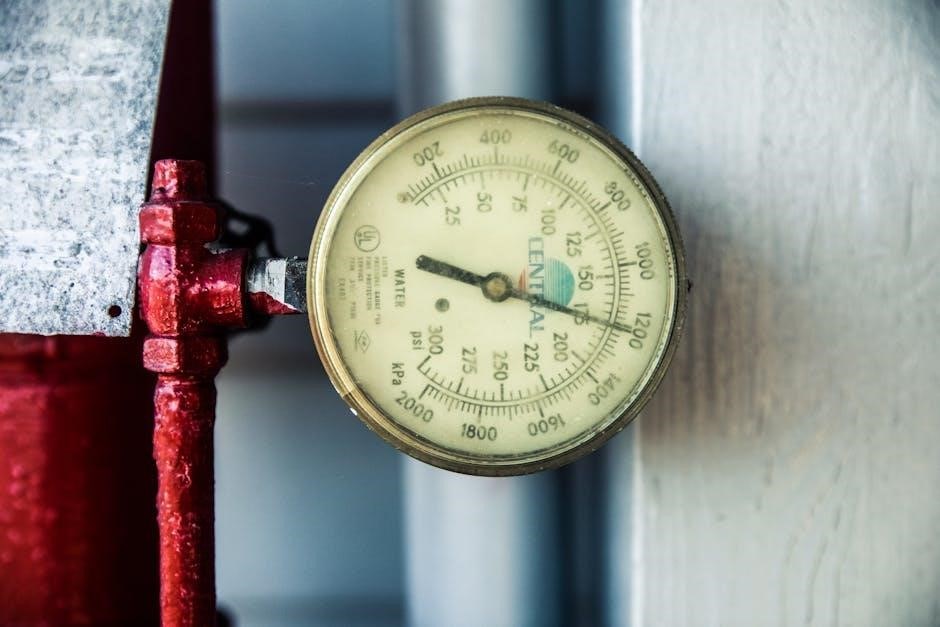
Before attempting any installation or repair work on an old Robertshaw thermostat, absolutely disconnect the electrical power supply at the breaker box. This prevents electrical shock and potential damage to the thermostat or your home’s wiring. If dealing with a gas thermostat, carefully shut off the gas supply valve as well, and check for any existing gas leaks.
Always refer to the specific Robertshaw manual for your model, as instructions can vary. If you are uncomfortable working with electrical or gas connections, it is strongly recommended to consult a qualified HVAC technician. Ignoring these safety measures could lead to serious injury or property damage.
Wiring Diagrams (Common Types)
Older Robertshaw thermostats often utilize simple wiring schemes, but accurate connection is crucial. Common configurations include two-wire systems for basic heating, and three or four-wire setups for heating and cooling. Manuals typically provide detailed wiring diagrams specific to each model. Identifying terminal labels – like R, W, Y, and G – is essential for correct installation.
Incorrect wiring can cause malfunctions or safety hazards. Always double-check connections against the manual before restoring power. If the manual is unavailable, online resources may offer comparable diagrams, but proceed with caution and verify compatibility.
Adjusting the Temperature Scale
Many older Robertshaw thermostats feature a dial or slider for temperature adjustment. The manual will detail the specific method for your model, often involving a calibration screw or detents. Understanding the temperature scale – whether Fahrenheit or Celsius – is vital for accurate settings. Some models require a small screwdriver for fine-tuning.
Avoid forcing the adjustment mechanism. If resistance is encountered, consult the manual or seek professional assistance. Incorrect calibration can lead to inaccurate heating or cooling, impacting comfort and energy efficiency.

Troubleshooting Common Issues
Robertshaw thermostat manuals often include troubleshooting guides for issues like unresponsive units or inaccurate readings; consult yours for specific solutions.
Thermostat Not Responding
If your old Robertshaw thermostat isn’t responding, the first step is checking the batteries, if applicable, as detailed in the user manual. A lack of power is a common culprit. Next, carefully inspect the wiring connections, ensuring they are secure and free from corrosion – the manual may have diagrams.
Consult the manual for specific reset procedures, as some models have a reset button or sequence. If the issue persists, a faulty temperature sensing element or internal component, as described in advanced troubleshooting sections of the manual, might be the cause, potentially requiring professional repair or replacement.
Inaccurate Temperature Readings
If your Robertshaw thermostat displays inaccurate temperatures, the manual suggests verifying proper calibration. Older models often feature an adjustment screw for fine-tuning the temperature scale. Refer to the manual for the precise location and procedure. Environmental factors, like drafts or direct sunlight, can also influence readings; ensure the thermostat isn’t exposed.
A failing temperature sensing element, detailed in the manual’s troubleshooting section, is another possibility. If calibration doesn’t resolve the issue, and the manual doesn’t offer further solutions, professional evaluation or thermostat replacement may be necessary.
Gas Valve Problems (Gas Thermostats)
If a Robertshaw gas thermostat isn’t properly controlling the gas valve, consult the manual immediately. Manuals emphasize safety – never attempt repairs yourself if you smell gas! The manual details troubleshooting steps, often involving checking wiring connections and the valve’s responsiveness to thermostat signals.
A faulty gas valve, as outlined in advanced sections of some manuals, requires professional attention. Ignoring gas valve issues poses a serious safety risk. The manual will likely advise against DIY fixes and strongly recommend contacting a qualified HVAC technician for diagnosis and repair.
Finding Robertshaw Thermostat Manuals
Robertshaw manuals are accessible online through resources like ManualsLib and potentially Robertshaw’s official website archive, aiding in older model support.
Online Resources for Manuals
Several websites specialize in archiving appliance manuals, proving invaluable for locating documentation for older Robertshaw thermostats. ManualsLib is a prominent example, hosting a collection of user manuals, including those for various Robertshaw models like the RS2110. These resources often require searching by model number to pinpoint the correct document.
Additionally, exploring general appliance manual databases can yield results. While not exclusively dedicated to Robertshaw, these platforms aggregate manuals from numerous manufacturers. Remember to utilize precise search terms, including the full model number, to refine your search and increase the likelihood of finding the specific instructions you need for your vintage thermostat.
Robertshaw’s Official Website (Archive)
While Robertshaw’s current website focuses on modern products, exploring archived versions of their site can sometimes uncover legacy manuals. Utilizing the Wayback Machine (archive.org) allows users to browse past iterations of the Robertshaw website, potentially revealing downloadable instructions for older thermostat models.
However, locating specific manuals through this method can be challenging, requiring patience and targeted searches within different archived dates. The availability of manuals on the archived site is not guaranteed, as content may have been removed or reorganized over time. Still, it remains a valuable resource for dedicated research.
Third-Party Manual Databases
Several online databases specialize in hosting user manuals, offering a convenient alternative to official sources. ManualsLib, for example, contains a substantial collection of Robertshaw thermostat manuals, including models like the RS2110 and various 8400 series thermostats. These platforms rely on user contributions, expanding their library over time.
While generally helpful, verifying the accuracy and completeness of manuals found on third-party sites is crucial. Cross-referencing information with other sources, when possible, ensures you’re following correct instructions. These databases are often searchable by model number, simplifying the process.
Robertshaw Thermostat Maintenance
Regular cleaning and corrosion checks, guided by your manual, extend the life of older Robertshaw thermostats; battery replacement is also essential if applicable.
Cleaning the Thermostat
Robertshaw thermostat cleaning requires a gentle approach, referencing your specific manual for guidance. Begin by turning off power to the unit at the breaker. Carefully remove the thermostat cover, often by gently prying or unscrewing. Use a soft, dry cloth to wipe down the exterior, removing dust and grime.
For stubborn dirt, lightly dampen the cloth with water – never spray liquids directly onto the thermostat. Avoid abrasive cleaners, as they can damage the finish. Clean the control knob and surrounding areas with similar care. Inspect the internal components for dust buildup, and use a small brush or canned air to carefully remove it. Reassemble the thermostat once everything is dry, and restore power.
Checking for Corrosion
Regularly inspect your old Robertshaw thermostat for corrosion, a common issue in older units. Disconnect power before opening the casing. Examine the terminals, wiring connections, and internal metal components for signs of rust or greenish-blue corrosion. A manual may detail specific areas prone to this.
Light corrosion can sometimes be carefully removed with a specialized electrical contact cleaner and a small brush. However, significant corrosion indicates potential component failure and a safety hazard. If extensive corrosion is present, it’s best to consult a qualified HVAC technician or consider thermostat replacement to avoid malfunctions and ensure safe operation.
Replacing Batteries (If Applicable)
Some older Robertshaw thermostats, particularly digital models, require battery power to maintain settings during power outages. Consult your specific thermostat’s manual to determine if it uses batteries and the correct type. Typically, these are AA or AAA alkaline batteries.
To replace them, carefully open the thermostat casing (after disconnecting power, if possible). Note the battery orientation before removal. Install fresh batteries, ensuring correct polarity. A low battery indicator may appear on the display. Regular battery replacement, usually annually, prevents loss of programmed settings and ensures reliable operation.
Converting Between Heat and Cool Settings
Older Robertshaw thermostats often feature a lever or switch for changing between heating and cooling modes; consult the manual for specifics.
Understanding Dual-Fuel Thermostats
Robertshaw manufactured dual-fuel thermostats capable of switching between gas and electric heating, optimizing efficiency based on outdoor temperatures. These systems require a detailed understanding of the thermostat’s programming, often outlined in the specific manual for that model.
The manual will explain how the thermostat determines when to utilize each fuel source, typically employing a balance point temperature. Correct operation relies on accurate sensor readings and proper wiring. Locating the correct manual is crucial for troubleshooting and ensuring optimal performance of these more complex systems. Referencing diagrams within the manual is highly recommended.
Switching Modes on Older Models
Older Robertshaw thermostats often switched between heating and cooling via a physical lever or knob, detailed within the specific model’s manual. These manuals illustrate the precise location and operation of these controls, often labeled “Heat,” “Cool,” or “Auto.”
Understanding the manual’s diagrams is vital, as incorrect settings can lead to inefficient operation or system damage. Some models utilized a two-position switch, while others employed a rotating dial. Always consult the manual before attempting to change modes, ensuring proper functionality and avoiding potential issues. Careful review prevents errors.

Safety Considerations with Old Thermostats
Robertshaw manuals emphasize safety; inspect for gas leaks (gas models) and electrical hazards. Replacement is crucial if issues arise, prioritizing safety.
Potential Gas Leaks (Gas Thermostats)
Robertshaw gas thermostat manuals consistently warn about the dangers of gas leaks. Older units, due to age and wear, are more susceptible to developing leaks around the gas valve connection. If you smell gas, immediately shut off the gas supply at the main valve and evacuate the premises.
Never attempt to repair a gas leak yourself; contact a qualified professional. Manuals often detail procedures for checking connections, but professional inspection is paramount. Regularly check connections and consider installing a gas detector for added safety. Ignoring a potential leak can lead to fire or explosion.
Electrical Hazards
Robertshaw thermostat manuals emphasize the importance of disconnecting power before any wiring work. Older thermostats may have degraded wiring insulation, increasing the risk of short circuits and electrical shock. Always use a voltage tester to confirm power is off.
Incorrect wiring can also create hazards. Refer to the specific manual for your model to ensure proper connections. If you are uncomfortable working with electrical wiring, consult a qualified electrician. Never bypass safety features or attempt repairs while the power is on – it’s extremely dangerous.
When to Replace an Old Thermostat
Despite diligent use of a Robertshaw thermostat manual, age and wear can necessitate replacement. If the thermostat consistently provides inaccurate readings, fails to maintain temperature, or exhibits physical damage, consider upgrading. Difficulty locating a compatible manual can also signal obsolescence.
Modern thermostats offer improved energy efficiency and features. Persistent issues, even after following manual troubleshooting steps, indicate internal component failure. Prioritize safety; a malfunctioning thermostat could lead to inefficient heating/cooling or, in gas models, potential hazards.